The Story
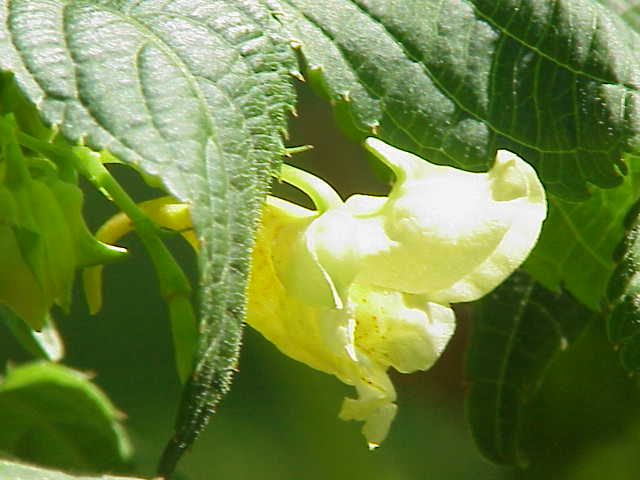
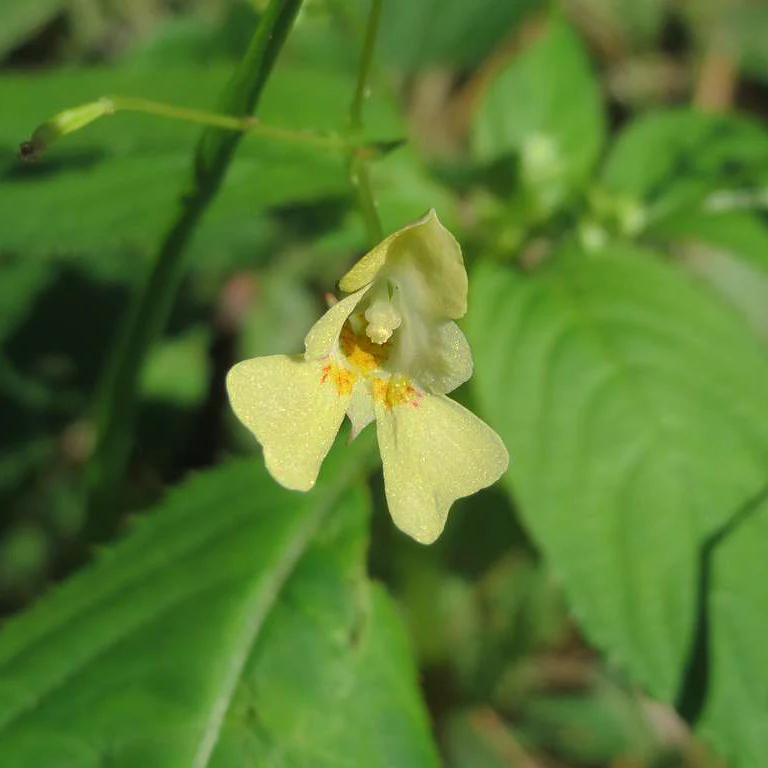
Impatiens pallida, with the common names pale jewelweed, pale touch-me-not, or yellow jewelweed, is a flowering annual plant native to Canada and the United States. It produces flowers from midsummer through fall.
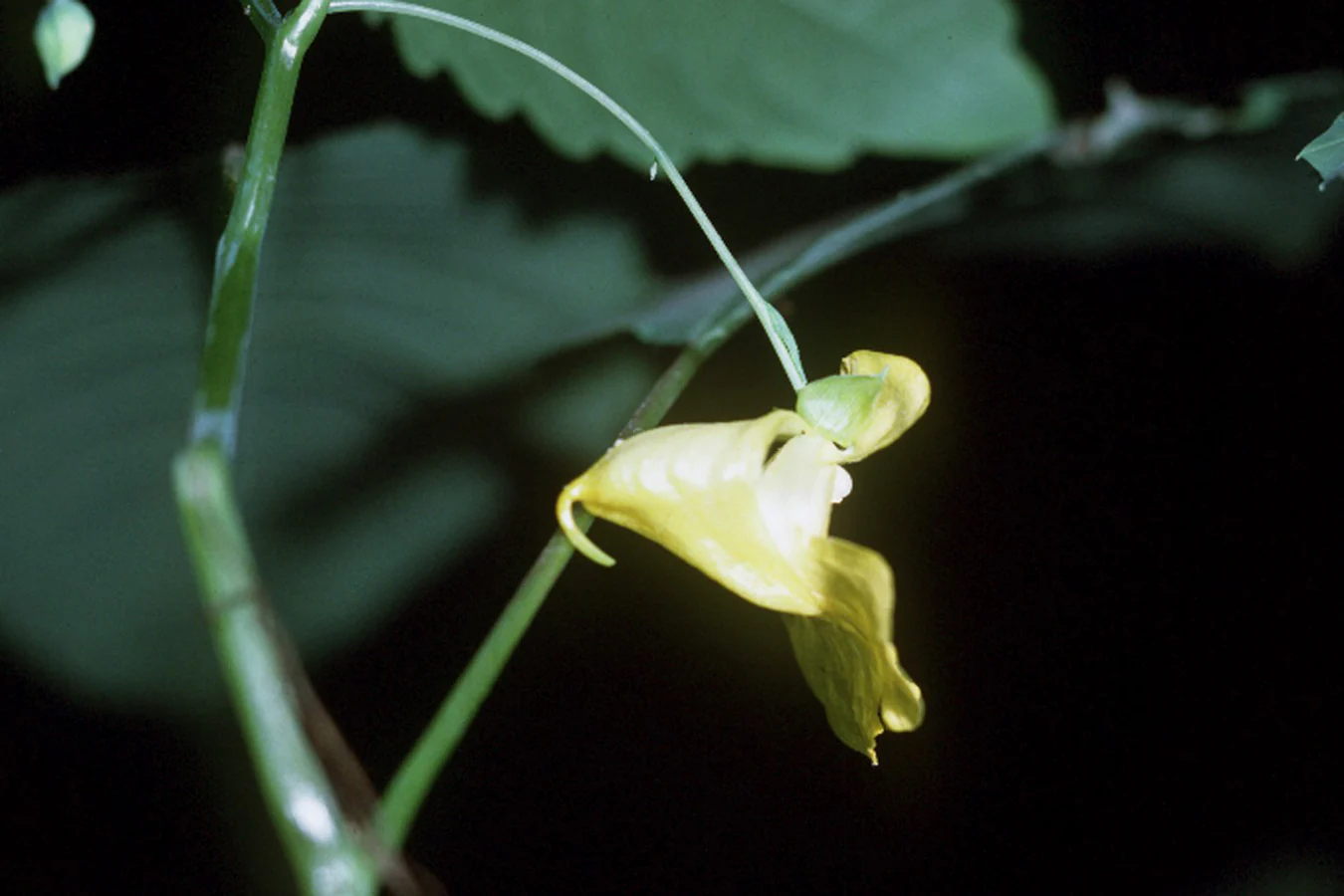
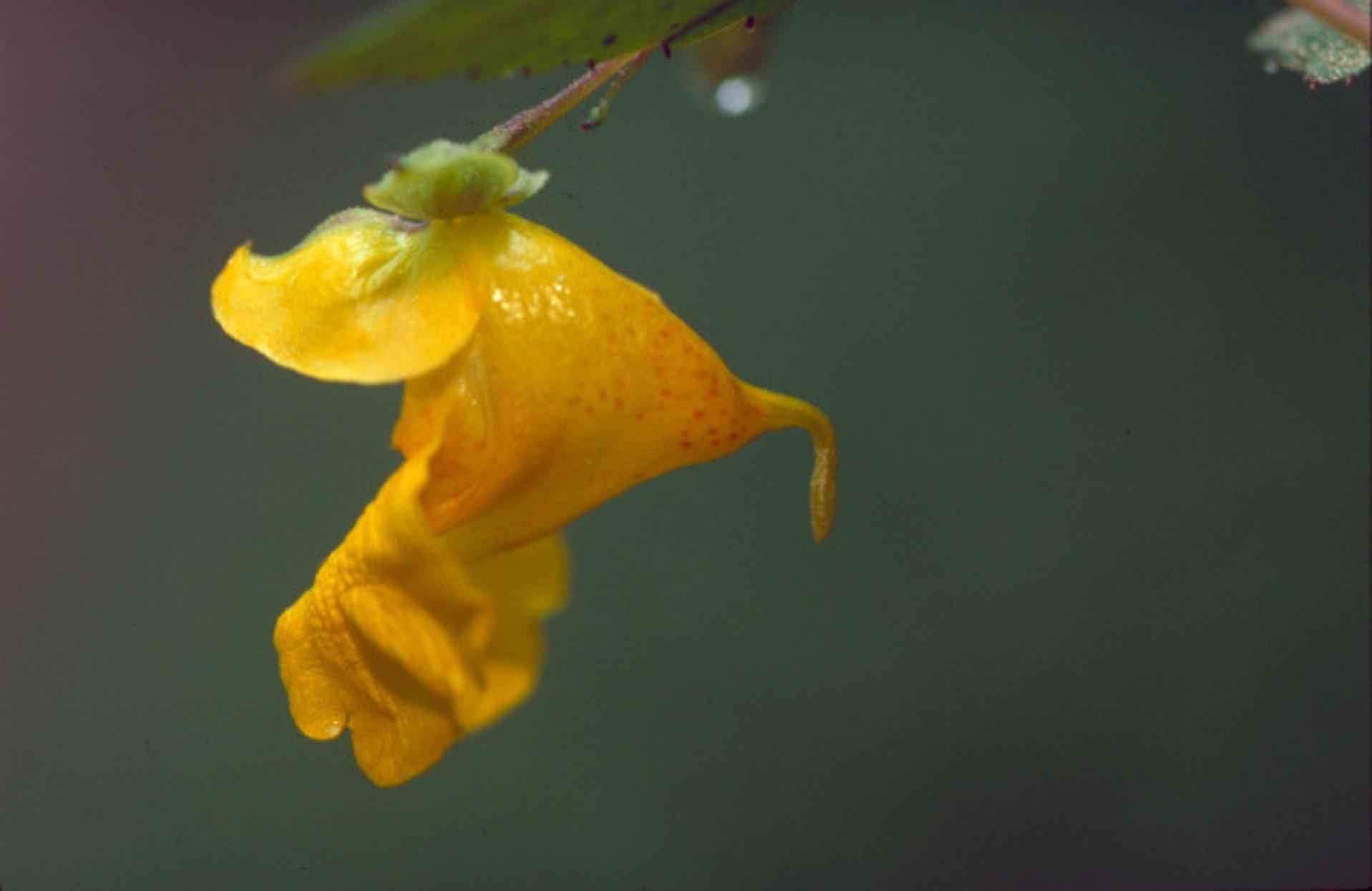
The plant can grow up to 2 metres (6 ft 7 in) in height. The flowers are yellow, with reddish-spots on their faces, differentiating the plant from the similar Impatiens capensis, which has orange flowers. They are tube or funnel shaped and 3-4 centimetres (1-1.5 in) long, with nectar stored at a narrow spur at the back of the flower. The flowers cluster in small quantities among the upper leaves. After blooming, the flowers are replaced by a narrow seed pod up to 3 centimetres (1 in) long. When the seeds are ripe, they explode from the pod when touched, giving the plant its common name, touch-me-not.
I. pallida is native in the United States from North Dakota to the north and west, Georgia to the south, and Maine to the east. In Canada, it is native in Ontario, Quebec, New Brunswick, Newfoundland, and Nova Scotia. It can be found in wet, soggy soils, such as along ponds and streams, in swamps, in moist deciduous woodlands, and in wet thickets. Interestingly it also tends to tolerate drier soil, more than Impatiens capensis.
Touch-me-not is a plant many people have interest in because some say it is an antidote to Poison Ivy and Stinging Nettle.
Type: Annual
Location: Shade or part shade
Seeds per packet: 5
Details & Craftsmanship
Every detail has been carefully considered to bring you the perfect product.
Details & Craftsmanship
Every detail has been carefully considered to bring you the perfect product.
Description
Impatiens pallida, with the common names pale jewelweed, pale touch-me-not, or yellow jewelweed, is a flowering annual plant native to Canada and the United States. It produces flowers from midsummer through fall.
The plant can grow up to 2 metres (6 ft 7 in) in height. The flowers are yellow, with reddish-spots on their faces, differentiating the plant from the similar Impatiens capensis, which has orange flowers. They are tube or funnel shaped and 3-4 centimetres (1-1.5 in) long, with nectar stored at a narrow spur at the back of the flower. The flowers cluster in small quantities among the upper leaves. After blooming, the flowers are replaced by a narrow seed pod up to 3 centimetres (1 in) long. When the seeds are ripe, they explode from the pod when touched, giving the plant its common name, touch-me-not.
I. pallida is native in the United States from North Dakota to the north and west, Georgia to the south, and Maine to the east. In Canada, it is native in Ontario, Quebec, New Brunswick, Newfoundland, and Nova Scotia. It can be found in wet, soggy soils, such as along ponds and streams, in swamps, in moist deciduous woodlands, and in wet thickets. Interestingly it also tends to tolerate drier soil, more than Impatiens capensis.
Touch-me-not is a plant many people have interest in because some say it is an antidote to Poison Ivy and Stinging Nettle.
Type: Annual
Location: Shade or part shade
Seeds per packet: 5